

Made4Sport
A group website that introduces the distribution business, its brand portfolio and routes for prospective brand partners.
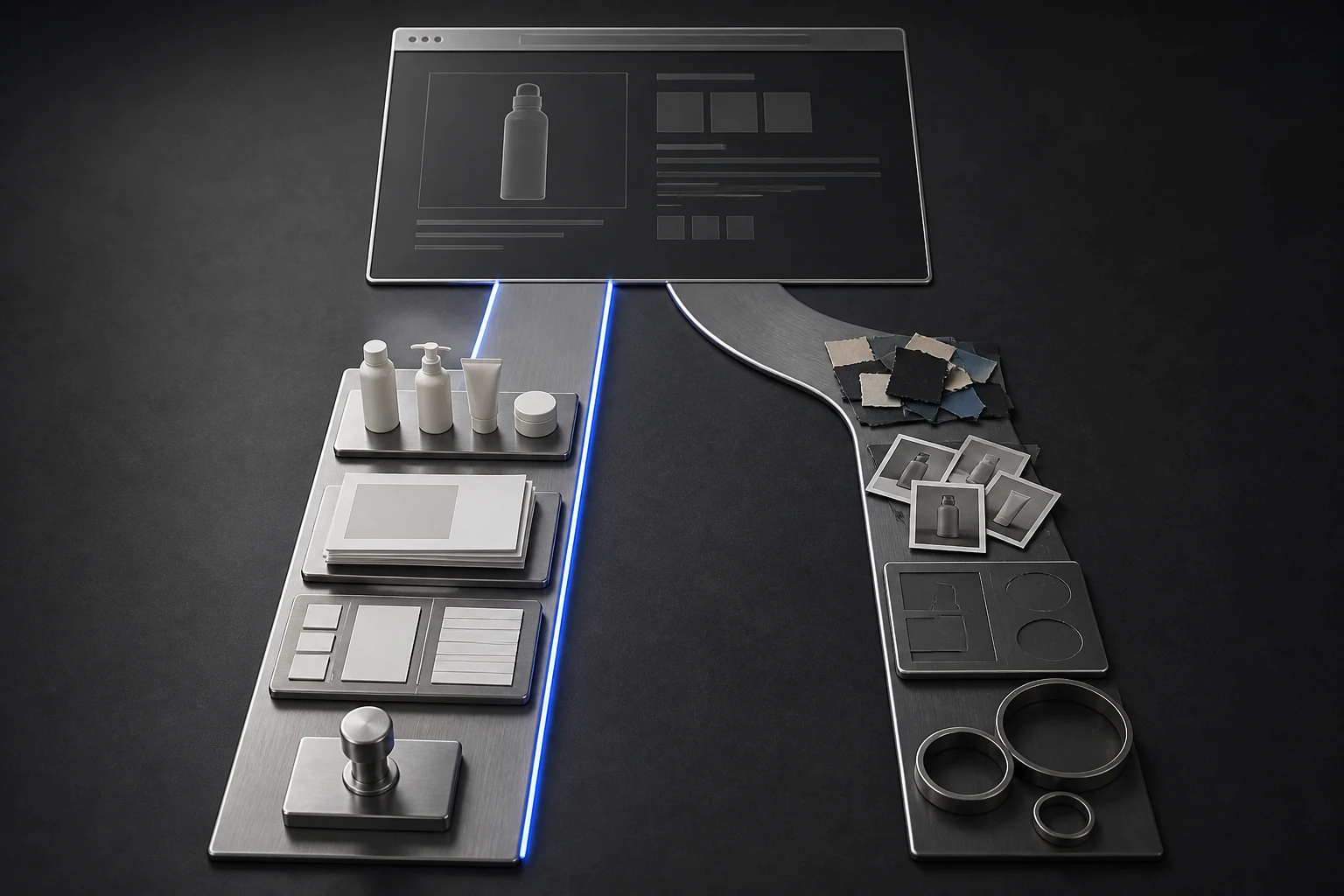
We build websites that explain the offer, answer the questions behind a decision and send useful enquiries into your sales team.
A site can look polished and still leave a buyer unsure what the business does, who the service is for or why they should make contact.
The problem often starts before the form. One page tries to serve several audiences. Important proof is buried. Paid ads land on a generic homepage. The enquiry asks too little to qualify anyone or too much to finish.
We work out what the buyer needs to understand and do, then build the smallest site that supports that decision.
The offer, audience, reasons to believe and next step are written before the design has to carry them.
Services, sectors and paid campaigns get their own pages where the decision is genuinely different. We do not create near-duplicate pages just to make the site look large.
If people edit the site regularly, we add a content system modelled around the actual pages. If changes are rare, we will not sell a CMS merely because it is fashionable.
Forms collect enough context for a useful reply, route to the agreed system and carry the campaign source where required. Failure handling is agreed for CRM or other integrations.
Analytics and conversion events are specified before launch. We test the agreed events rather than treating an installed tracking script as proof that measurement works.
We run ecommerce businesses as well as build websites. That operating experience keeps the conversation on customer questions, margin, fulfilment, lead quality and the work the internal team has to do afterwards.
Jacob Bytom leads the scope and stays accountable for it. We keep projects moving by agreeing the message, decisions, responsibilities and finish line early. You get a delivery plan with clear decisions and dates before work starts.
Every build ends with a handover. Monthly support is optional.
Marketing sites, redesigns, web applications and ongoing support.
Open any of them. Each one sells a service by enquiry rather than by checkout.
A group website that introduces the distribution business, its brand portfolio and routes for prospective brand partners.
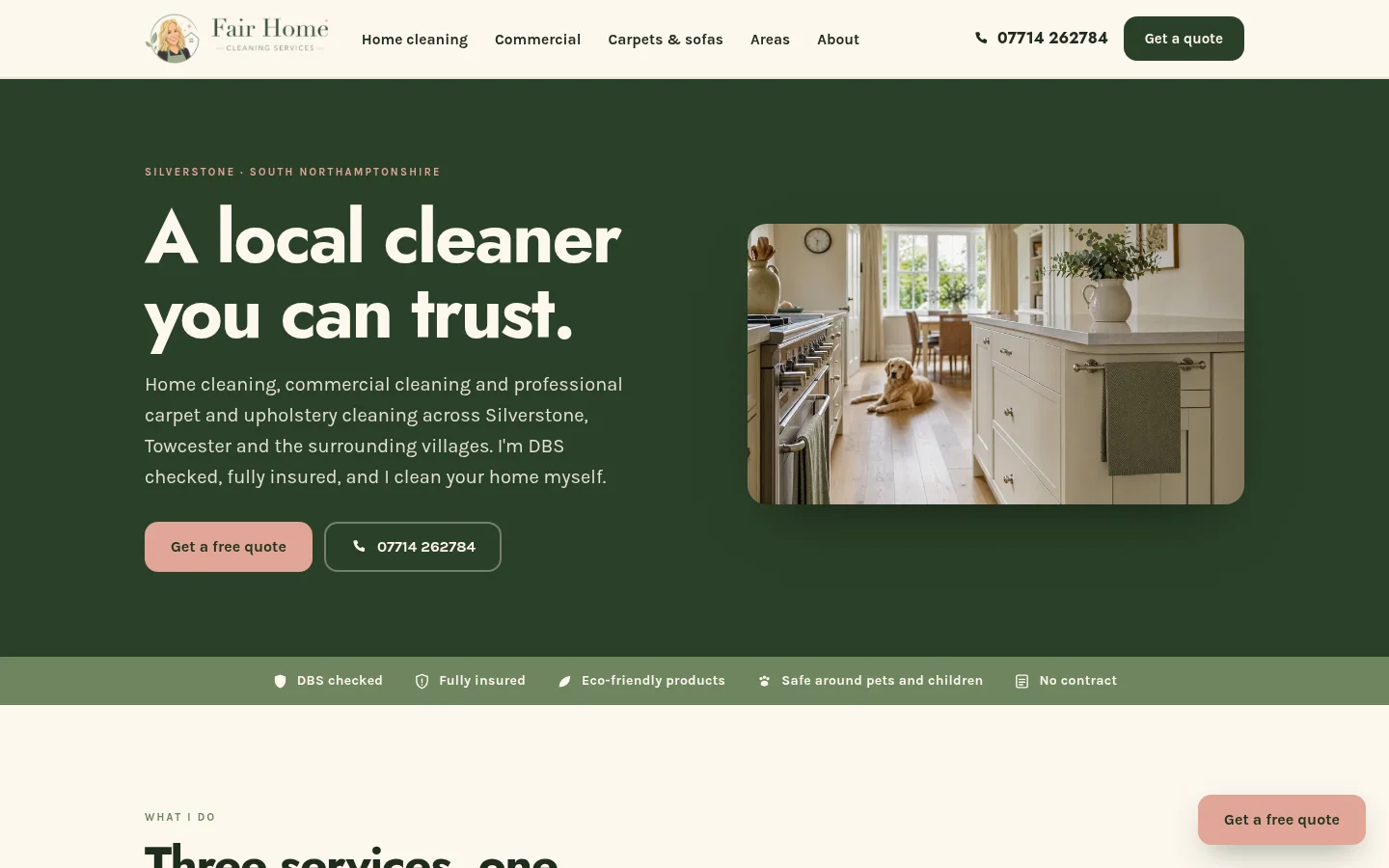
A local-services website built around domestic, commercial and carpet-cleaning enquiries in South Northamptonshire.
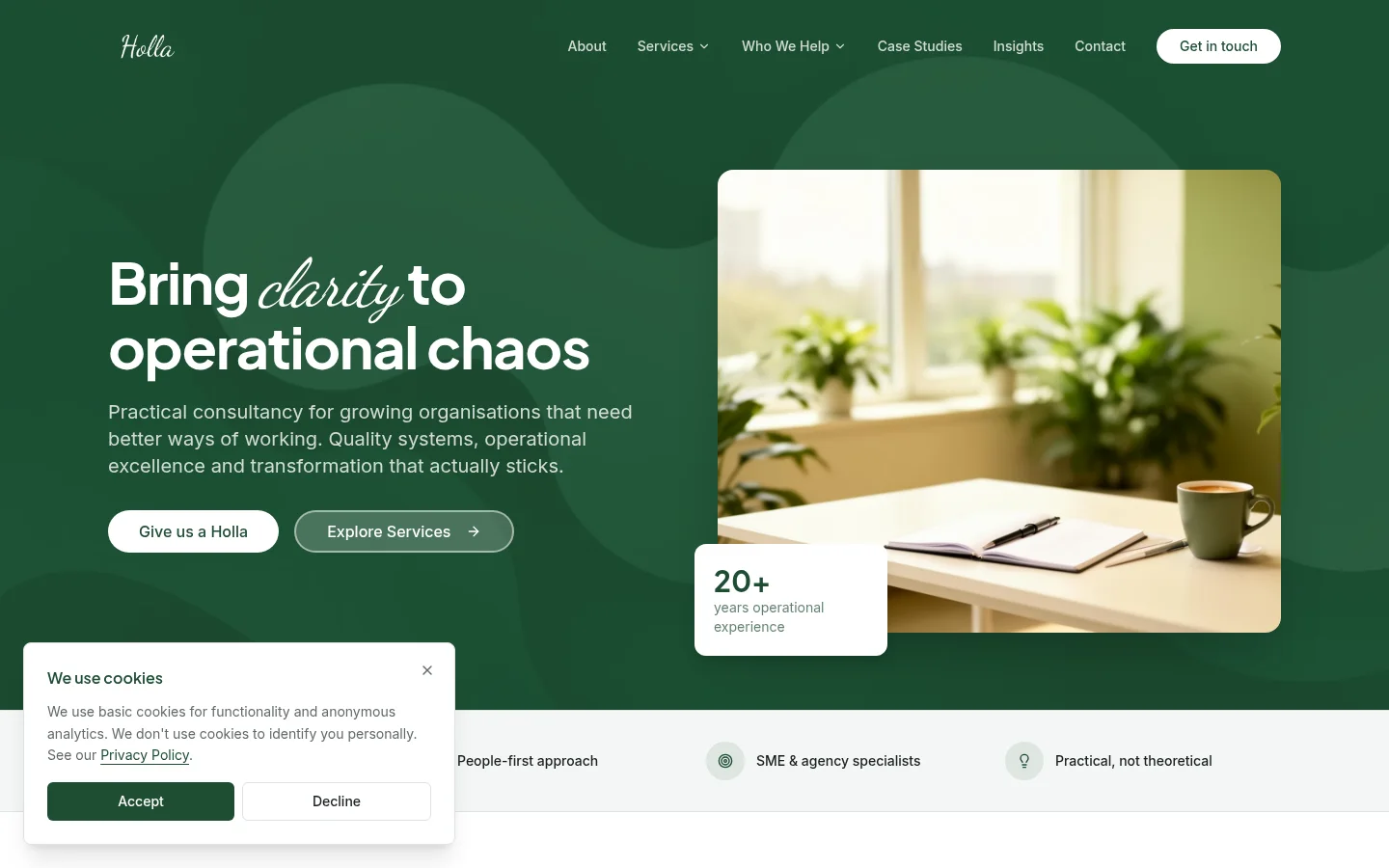
A consultancy website that explains the offer, directs buyers into the right service and supports contact and resource enquiries.
GBP and USD, excluding VAT. Applications are scoped after discovery.
From-price or scoped after discovery
Lead generation
From £4,000From $5,200
A complete marketing and lead-generation website: the messaging, the structure and the enquiry routes a qualified buyer needs to make a decision.
Starting price
Up to 20 pages
From £2,000From $2,600
A compact marketing site or one focused lead-generation system, on a defined page and component scope of up to twenty pages.
Starting price
Software, not a site
From £4,000From $5,200
Authentication, application behaviour, relational data, private merchant tooling or a custom Shopify app. Requirements beyond what a marketing site or a theme can hold.
Starting price · scoped after discovery
Separate from project pricing
Per month
From £399From $525
Monitoring, routine technical care and platform updates, plus small edits to text and images already on the site. New pages and substantial feature development are quoted as project work.
Starting price
Per month
From £1,250From $1,650
A live improvement programme on one site. You set the priorities each month, we work the queue in order, and the month closes with what changed and what it did.
Starting price
Per month
From £3,000From $4,000
Continuous delivery across an agreed portfolio, with planning ahead of the work rather than a queue you have to keep feeding.
Starting price
All prices exclude VAT where applicable. Domains, hosting, CMS licences and third-party services are separate unless explicitly included.
The questions your sales team keeps answering by email are often the pages the site is missing.